

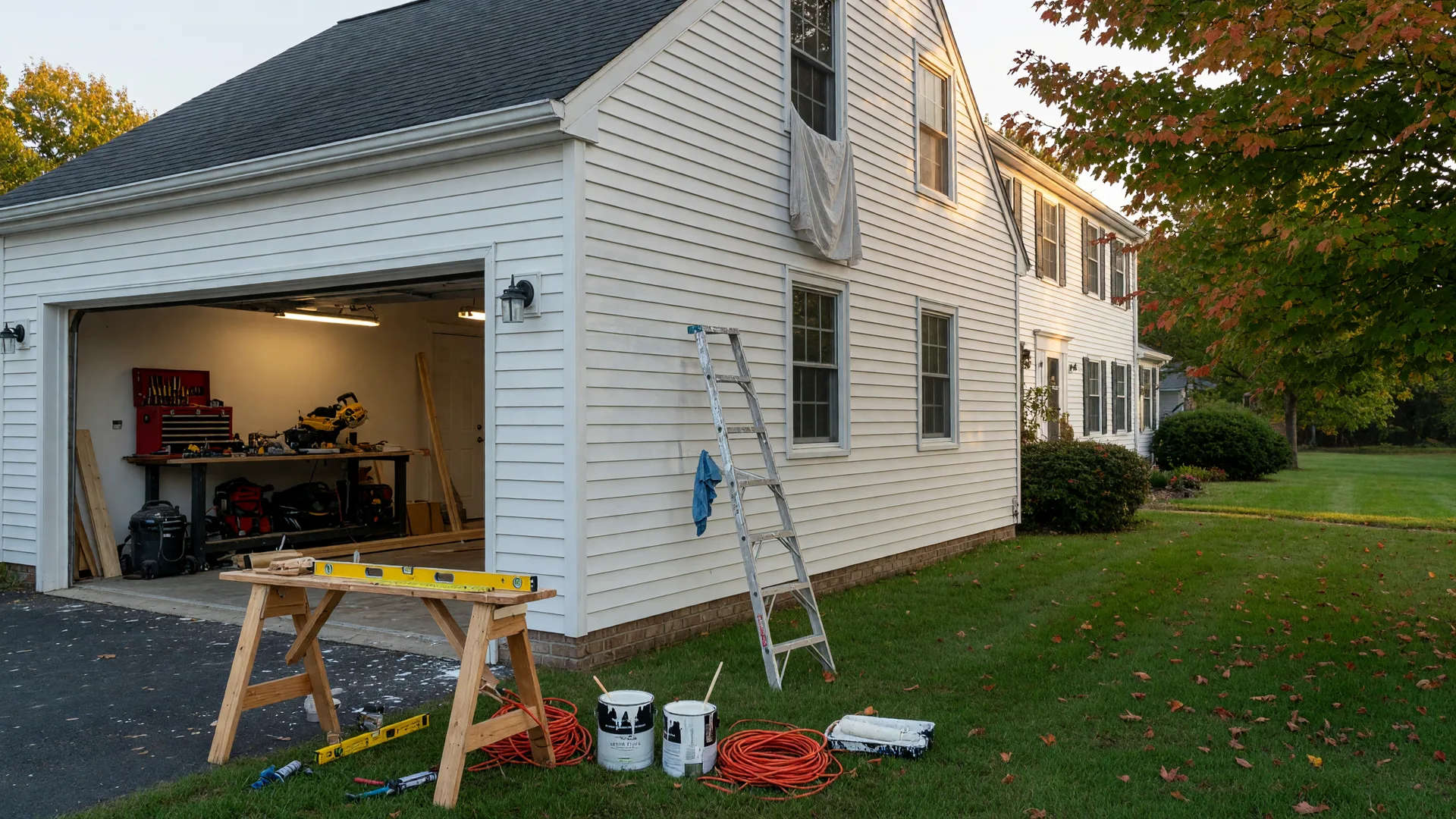
At some point, nearly every homeowner in the Philadelphia Suburbs of Montgomery County, PA faces the same question: who do I call for this job? Whether it is a kitchen update in Blue Bell, a roof repair in Conshohocken, or a round of seasonal maintenance in the towns in between, the choice between a contractor and a handyman sets the tone for the entire project. Pick well and the work runs on time, on budget, and with no drama. Pick carelessly and a simple job can turn into a long season of phone calls.
This guide walks through that decision in plain English: when a handyman is the right call, when a licensed contractor is required, where to look for dependable pros, and how to avoid the payment traps and disputes that derail too many jobs. Follow the steps in order and you end up with better work, a clearer budget, and fewer surprises.
When should you hire a contractor instead of a handyman?
Think of a handyman as the first line of defense for the small stuff: painting a room, refreshing caulking around a tub, patching drywall, swapping a light fixture or faucet, cleaning gutters, or power-washing a walkway. These are quick, well-scoped jobs a skilled handyman finishes in an afternoon.
A contractor is the right move when the job touches the structure of the home or the systems inside it: a roof replacement, new windows, an addition, a deck, framing changes, electrical panel work, plumbing that moves pipes, or an HVAC change-out. Under Pennsylvania’s Uniform Construction Code, work of this kind typically requires a building permit and township inspections in the municipalities that adopt the code. Roofs, additions, decks, windows and doors, and anything that rewires or re-plumbs the home usually sit on that permit list, and the local building office can confirm what your town requires.
Here is a useful rule of thumb. If the job needs a permit, hire a contractor who has pulled permits before, works with licensed specialists where the trade calls for one, and carries proper insurance. If the job can be painted, patched, or swapped in a single visit without touching wiring, water lines, or the roof, a handyman fits well.
Where do homeowners find reliable contractors and handymen?
Start with the people around you. Neighbors who renovated years ago have watched the work hold up through the seasons, which makes word of mouth the most dependable source going. The staff at the local hardware store are another unadvertised resource: people who sell fasteners and fixtures all day tend to know which workers show up when they say they will.
Local community groups and social platforms are worth a scan too, with one caution: treat any response that comes back too fast or too eager with extra care, because low-effort pitches travel in those threads. Verified review platforms are a useful second check, and local hardware stores often know the crews that work the neighborhood at a steady pace. Whatever the source, verify before you commit, because registration comes in the next section.
One more source deserves mention: your real estate agent. After many sales seasons across the Philadelphia Suburbs of Montgomery County, PA, agents see which renovations stay in good shape and which ones show wear quickly. Carmella keeps a curated list of contractors and handymen who have earned her trust over years of client feedback, and the form at the end of this post puts it in your hands.
What should you ask before hiring a contractor in Pennsylvania?
Pennsylvania does not hand out a single state contractor license the way some states do, so verification means checking the right registry. Anyone doing $5,000 or more of residential home improvement work a year must be registered with the Pennsylvania Home Improvement Contractor Registry, run by the Office of the Attorney General. Ask for the registration number and confirm it is current, and check the business entity is in good standing with the Pennsylvania Department of State.
Then work your way through the standard set of questions that professionals expect to be asked, and take note of how they answer:
- Insurance. Ask for current certificates of commercial general liability and workers’ compensation, and confirm the coverage runs through the end of your project. A contractor who cannot produce certificates is a risk you do not want on your property.
- References. Ask for three recent jobs and call them. The most useful questions are simple: did they finish on time, did they hold the line on the quote, and would the homeowner work with them again?
- A written quote. Get the scope of work, the materials, the allowances, and the final number on paper so you are comparing the same scope of work from each bidder.
- A timeline. A realistic start date and completion date, plus what happens if the schedule slips because of weather or materials.
- A payment schedule. Milestone payments tied to completed, inspected work, never a lump sum up front.
- Lien waivers. Proof that materials and subcontractors are paid before your final payment, so no lien falls on your home.
In Pennsylvania, home improvement contracts over $500 are required to be in writing, and the contractor’s registration number belongs on every estimate and contract. If a pro hesitates to put it in writing, that is your answer.
“The best contractor I have hired in the Philadelphia Suburbs did three things that set him apart: he put the full scope in writing, he refused to take more than a small deposit, and he sent a photo update every single day. A steady process is what I look for now, after the first crew taught me the lesson the hard way.”
How do I avoid contractor scams and project disputes?
The classic warning signs are easy to spot once you know them. A crew that knocks on the door claiming it is “just in the neighborhood” with leftover asphalt or roofing materials, a demand to pay the full amount before work starts, or a swirling rush to release the estimate are all red flags. Verify the registration, get multiple bids, and walk away from pressure. Reputable small businesses want the same honest contract you do.
Then protect the paper trail. Get two or three written bids and compare what is actually covered. Document the starting condition with dated photos. Every change that comes up during the build, and changes always come up, goes on a written change order with the cost and the new schedule, signed before the extra work begins. Never sign off until the punch list is done, and hold a small final amount until everything is complete.
Pennsylvania’s rules help you here. The Home Improvement Consumer Protection Act requires the registration described above and written contracts for covered work, giving homeowners a clear path to file a complaint if a contractor breaks the rules. Honest contractors welcome the paperwork, so treat reluctance as a sign.
Can I use the same crew for small jobs or ongoing maintenance?
Yes, and it pays to. Once you find a pro who did one job well, keep the relationship close. The same crew that handled a bathroom repair will know your home’s quirks on the next request, and loyal customers tend to get priority when every schedule fills up.
That shared history also makes seasonal maintenance routine. Write out a simple calendar: gutters and downspouts cleared in late autumn after the leaves drop, the heater serviced before the cold returns, the AC serviced in the late spring, and fresh caulk and exterior paint checked each summer. When every item has a name attached to it, a property stays in steady condition and the surprises stay small.
Maintaining a short list of trusted pros, one for general repairs, one plumber, an electrician, and a roofer gives you a resource worth real money over the years. And when the next project is a big one, the same list is where you start.
Who does Carmella recommend?
After 22 years helping homeowners buy and sell across the Philadelphia Suburbs of Montgomery County, PA, Carmella keeps a shortlist of contractors and handymen who have earned their place with steady results: clients followed up with, permits pulled on time, changes put in writing, and finished work that still looks good two years later. The list spans Blue Bell, Ambler, Conshohocken, Bryn Mawr, Lansdale, and the other communities she serves, and it is hers to share, free.
Request the list below and Carmella will reach out with names for your project. If you are also thinking about buying, selling, or investing in the area while the crew is in your kitchen, let her know that too. The contractor list and an honest real estate checkup come from the same place: years of serving this corner of Pennsylvania.